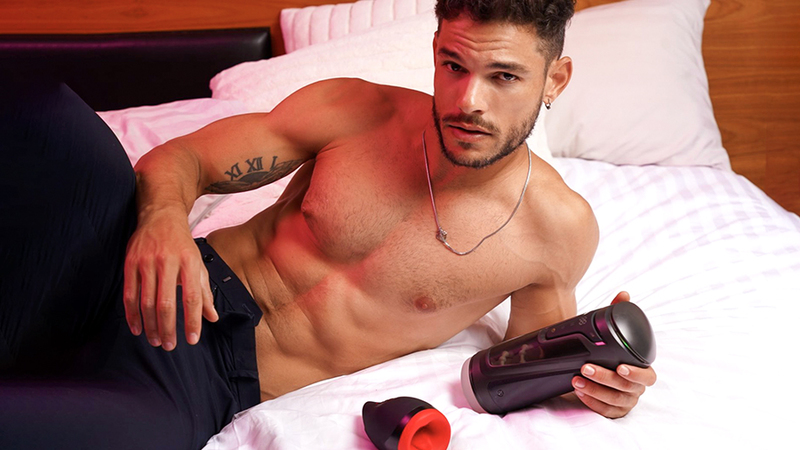




Why Amateur Became A Content Style, Not Just A Description
It used to mean someone didn't know how to use a camera. Now it's a specification a team writes into a creative brief on purpose.
"Amateur" was never meant to be a style choice. It described a lack of training, a lack of equipment, a lack of polish, whatever a creator couldn't afford to fix. In 2026, that word has quietly flipped. Plenty of the content that reads as amateur now is the product of deliberate decisions made by people who could easily produce something glossier and chose not to.
That shift matters beyond semantics, because it changes what "amateur" actually promises a viewer, and it explains why the label has stayed valuable even as production tools got cheaper and better for everyone.
From accident to specification
 The clearest sign of the change is showing up in creative briefs themselves. Brands are increasingly requesting a creator's imperfections as an explicit deal term, asking for shakier camera work, less flattering lighting, and a more casual delivery on purpose, rather than accepting those things as unavoidable side effects of a low budget. Messiness has become something you can commission.
That's a genuine inversion of what the aesthetic originally signaled. The lo-fi look that once meant a creator was too busy or too genuine to bother with production values is now, in plenty of cases, the output of a team that absolutely could afford better lighting and decided against it strategically. The look survived. The reason behind it changed completely.
The financial logic behind that choice is straightforward once you see it. A studio setup costs money, takes time, and produces something that increasingly resembles every other studio setup on the same platform. A phone, a window, and an unscripted delivery cost almost nothing and, done well, produce something that looks like it couldn't have come from anyone else.
The paradox at the center of it
 Here's what makes this harder to execute than it sounds. Effective rawness is deliberately unpolished, not accidentally sloppy, and there's a real risk in mistaking low effort for authenticity. Choosing which imperfections to show, and why, takes more intentional thinking than simply making something look polished in the first place.
That paradox is the whole story in miniature. A genuinely careless page and a carefully art-directed "amateur" page can look similar at a glance, but one took planning and the other didn't, and audiences have gotten unusually good at telling the difference over time.
Why 2026 accelerated the shift
 There's a fresh driver behind this that didn't exist a few years ago: the flood of AI-generated content. As generative video and image tools spread rapidly through 2025 and into 2026, overpolished and overmanicured content started reading as suspiciously close to what a machine would produce, which pushed creators toward embracing visible humanity and mess as a way to stand apart, Digiday reported.
In that environment, "amateur" stopped being a budget category and started functioning as proof of a real person on the other side of the camera. A shaky shot or an off-the-cuff line reads as evidence a machine didn't make it, which is a completely different job than the aesthetic was doing five years ago.
What it actually sells
 None of this changes what actually earns money once a viewer is engaged. The Globe and Mail reported on an OnlyGuider study putting messages at 69.74% of all creator revenue on the platform. An amateur-style aesthetic can earn attention and a first click by signaling authenticity, but the conversation that follows is still what turns a visitor into a paying subscriber.
That's worth being honest about, because it's easy to treat a stylistic choice as a strategy on its own. The same OnlyGuider study put the paying share of subscribers at just 4.2%, and no aesthetic, however well art-directed, changes that base rate by itself. The look opens the door. What happens in the inbox after that is a separate skill entirely.
How a "feels real" page actually gets found
 Once a creator settles on that aesthetic, being found by people looking for it is a separate problem, since OnlyFans has no category browsing of its own. Pages that feel real, indexed and ranked externally, are how a fan looking for that specific style finds an active creator in it rather than scrolling blind through millions of accounts. CBS News reported that this category-level breakdown is granular enough to organize activity by niche, which is the discovery layer that connects a deliberately unpolished page with the audience actually seeking one out.
The caveats
 Some honest caveats belong here too. The broader authenticity-trend data referenced above comes from creator-economy and marketing research, not audited platform figures, so treat the specific percentages as directional rather than precise. OnlyGuider's own numbers are similarly modelled estimates, not audited totals. Not every account that reads as amateur is deliberately styled that way, plenty of creators simply have modest equipment and no team behind them, and there's nothing wrong with that either. The market this aesthetic sits inside is genuinely large, with US fans putting an estimated $2.63 billion into OnlyFans in 2025, according to figures AOL reported citing OnlyGuider. But the aesthetic itself, real or engineered, is only ever the opening move.